Industry programs / Packaging built around the product
Packaging specified for the product and the route.
We build packaging programs around the product being shipped. Printed boxes, corrugated shipping cartons, thermoformed trays and EPE foam are specified together, against the same drawing.
Published
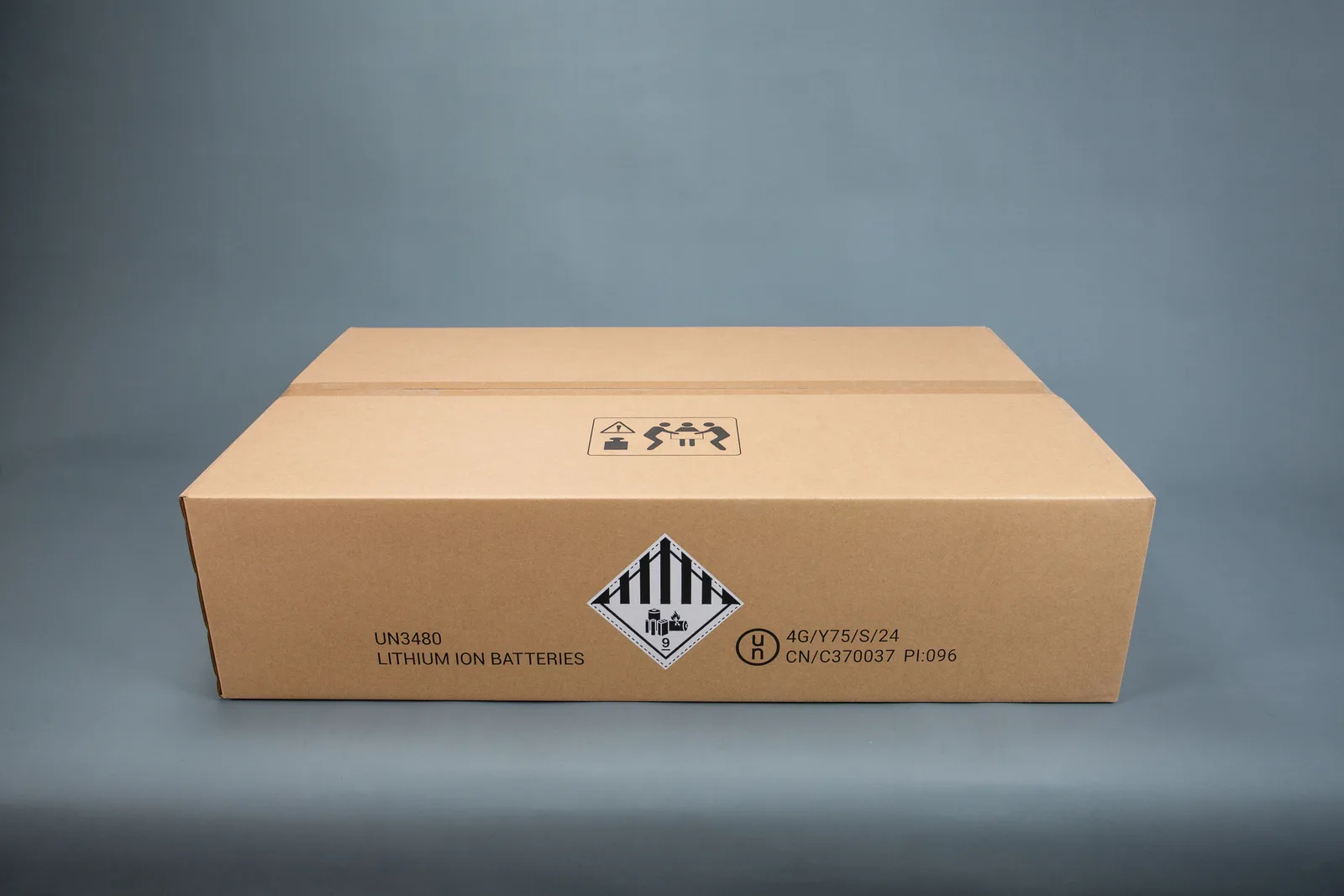
Battery & Electronics
UN 4GESD-safeAnti-static EPE
UN-marked 4G boxes for lithium batteries, ESD-safe thermoformed trays and anti-static EPE foam, specified with test data.
Not listed yet?
More industry pages are being added. If your industry is not listed, send us the product and the shipping route and we will spec the pack.
What we spec most often
These are product categories the group packs regularly. They do not have dedicated pages yet, so the notes below are what we would normally specify. Send the product and we will put a real structure against it.
Appliance, kitchen and bath
Heavy and awkward units. Usually double wall corrugated sized to the pallet and the retailer profile, EPE end caps at the load-bearing corners, and a printed sleeve or carton where the product sits on a shelf.
Cosmetics and personal care
Offset-printed folding cartons and rigid boxes where finish carries the price point, with a thermoformed or paper insert holding the bottle so it presents correctly when the box is opened.
Food and beverage
Printed cartons and corrugated shippers. Material selection and any food-contact requirement is confirmed per market before quoting, since the rules differ by destination.
Ecommerce and marketplace
Mailer boxes designed for the parcel network rather than the pallet: right-sized to cut dimensional weight, self-seal and tear strip options, and designed to carrier parcel profiles with our own drop and compression data.
We design to ISTA 3A and carrier parcel profiles and run in-house compression and burst testing. We do not issue certificates. You receive the test data to use with your own lab if your channel requires certification.
Four things decide the pack
An industry label is a starting point. What actually changes the structure is how the product moves.
- The product
- Dimensions, weight, fragile points and whether it needs to be held in a fixed position. A photo of the product or the current pack is usually faster than a written specification.
- The route
- Full container, LCL, or parcel network. A carton that survives a palletised sea shipment is not the same carton that survives single-parcel handling.
- The stack
- How high the cartons stack, for how long, and in what humidity. This sets the board grade far more than the product weight does.
- The channel
- Retail shelf, marketplace fulfilment centre or direct to customer. Each imposes different marking, labelling and presentation rules on the same product.
Four lines, quoted together
Printed packaging
Offset-printed cartons, mailer boxes, rigid and collapsible gift boxes, paper bags.
Corrugated shipping
Shipping and master cartons, heavy-duty double wall, die-cut inserts and dividers.
Blister and thermoformed
Blister trays, clamshells and insert trays, including ESD-safe grades.
EPE foam
Foam inserts, end caps and cushioning cut to the product, including anti-static grades.
Parts made on different lines are consolidated into one shipment, so a program that needs a printed box, a shipper and a foam insert does not pay freight three times. How the group is organised.
Tell us the product and the route.
Dimensions, weight, annual quantity, destination and how it ships. That is enough for a structural proposal and a real number.